
About Caroline Baum
Hello, I’m Caroline Baum, an Australian author, journalist, moderator, interviewer and podcast host. My public-facing work centres on thoughtful conversations shaped by curiosity, active listening and a lifelong fascination with people’s stories.
Over the years, I've interviewed authors, moderated panels, hosted events, written essays and explored human lives through journalism and my podcast Life Sentences.
At heart, everything I do begins with the same instinct: listening closely enough to ask the questions that matter.
A Life Spent Listening
I am a storyteller, an active listener, and endlessly curious about people.
Whether I am interviewing an author, moderating a panel or hosting a public conversation, the thread running through my work is a genuine fascination with how people think, what shapes their experiences, and how their stories connect to the wider world.
When the occasion calls for it, I adapt to the situation.
Whether I’m on stage at the Sydney Opera House with a world‑renowned author or facilitating a sensitive forum for organisations like Lendlease or COTA (Council Of The Aged), my focus is the same: listening for the tide of the room. I notice how the energy moves and adjust the voltage, so the conversation stays electric, authentic and purposeful.
For me, a good conversation is never simply an exchange of information. It is a moment of discovery for the speakers and the audience that will last long after the event ends.

The Craft of Listening
My approach to conversation is grounded in what I think of as active listening.
It means listening not only to the words someone says, but to what lies behind them: the hesitation, the emotion, what is not being said.
This skill was shaped during my years as a journalist and interviewer working alongside some of the most respected broadcasters at the BBC and ABC. Watching great interviewers taught me that the most powerful moments rarely come from sticking rigidly to a script. They come from listening carefully enough to recognise when a conversation is about to turn somewhere interesting.
Preparation matters deeply to me, but so does the ability to stay present in the moment. The best conversations happen when careful preparation meets genuine curiosity.
Preparation for Spontaneity
I don’t believe in winging it.
I prepare for a conversation like an athlete preparing for a race… researching deeply, then allowing the material to settle so I can step on stage completely present.
When that foundation is solid, I have the freedom to follow what I call the gold: those unscripted, edge‑of‑the‑seat moments when a speaker reveals something true and unexpected.
That is what I think of as expertise‑backed spontaneity.
Busting Inhibitions
Where others may prefer to play it safe, I like the challenge of the intimate, and the overlooked. I love the challenge of breaking taboos, particularly around women’s health, ageing, and social justice.
In my work with organizations like the Older Women’s Network (OWN) NSW or leading health forums and campaigns around mental health, elder abuse, ageing for clients including local councils and commercial brands, I’ve learned that laughter is the ultimate circuit-breaker. By addressing the "elephant in the room" with humour and directness, I help audiences move from anxiety to a place of shared understanding.
There is nothing quite like the "shriek of relief" from an audience when a difficult truth is finally spoken out loud.

Conversations that Count
Audiences today are hungry for conversations that feel thoughtful, generous and illuminating.
In a public environment that can sometimes feel noisy or polarised, I try to create discussions that are calm, fair and genuinely curious; conversations where complex ideas can be explored without the pressure of point‑scoring or performance.
When moderation works well, something powerful happens. People leave the room with a deeper understanding of the topic and sometimes of themselves or each other.
Stories, after all, have the capacity to connect people in ways statistics and arguments alone cannot.
Journalism, Writing and Storytelling
My professional life has been shaped by stories in many forms.
I spent many years as a journalist and cultural commentator, writing for publications including The Sydney Morning Herald and The Guardian. My essays and commentary often explore ageing, care, identity, relationships and the complexities of modern life.
Alongside my moderation work, I host the podcast Life Sentences, where I speak with biographers about the lives they write and the stories we tell about one another.
Across journalism, podcasting and moderating live events, the same thread runs through my work: a fascination with people’s experiences and the stories that reveal them.
Reading the Room
One of the most important parts of moderation is the ability to sense a room's atmosphere.
I often think of audience energy as something like a tide: it flows in when attention is high and curiosity is alive, and it quietly recedes when a conversation begins to lose its focus.
Years of experience have given me a strong instinct for when to deepen a discussion, when to lighten the tone with humour, and when to gently guide a conversation back on course.
My goal is always the same: to create a space where speakers feel supported, audiences feel included, and the conversation itself feels natural and alive.
What Others Say
"Caroline is an insightful and charming speaker, MC and facilitator. I have worked with her and watched her work with others many times & have never failed to be impressed. Her lived experience as a carer makes her particularly expert & effective in the context of issues around ageing, ageism and elder abuse If you get to have her on your team you are very fortunate."
Jane Caro AM
Owner, Jara Consulting
Why these Conversations Matter
Some of the most meaningful moments happen after the event has finished.
When someone approaches to say they felt seen or understood in a way they hadn’t before. When an audience member leaves with a new perspective on something that once felt distant or abstract. When a speaker shares something unexpected because the conversation felt safe enough to explore it.
Those moments are reminders of why stories matter.
A powerful story can shift understanding, spark empathy and sometimes help people feel less alone.
There is nothing like a powerful story to heal. Stories help people feel seen, understood and connected.
A Life in Stories
My career has been built on the art of the interview. As a journalist for ABC TV, The Guardian, and the Sydney Morning Herald, and as the founding editor of Good Reading magazine, I’ve spent decades asking the questions that enlarge our understanding of what it means to be human.
Today, that journey continues through:

Moderation & MCing
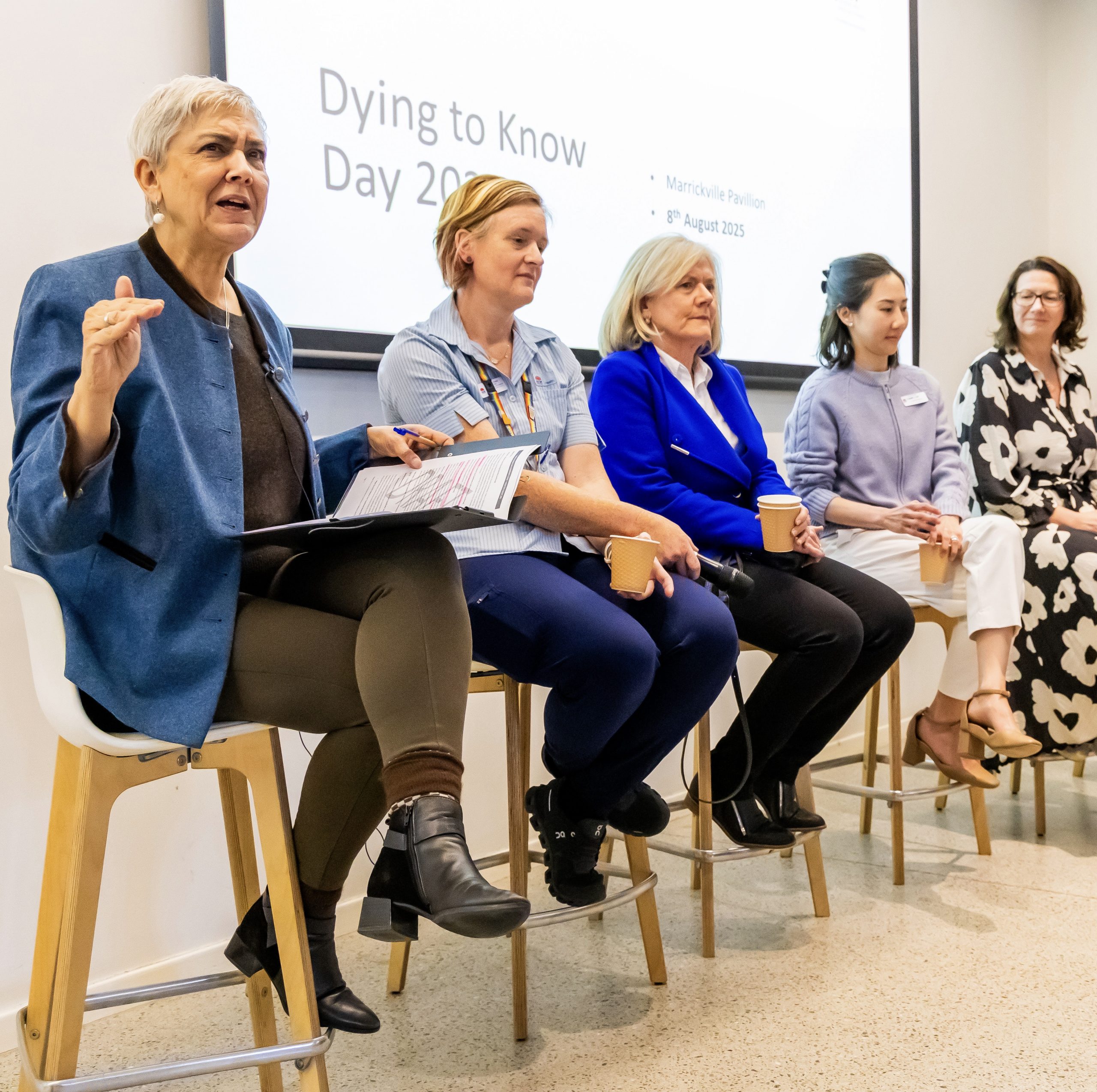
I facilitate panels, keynote interviews, and public conversations at a variety of events, from literary festivals to corporate think tanks.

Life Sentences Podcast
A podcast exploring biography and the ways we interpret lives through storytelling.

Writing & Publications
Essays and commentary exploring ageing, identity, relationships and the stories that shape our lives.
I’m not interested in shouty partisan debates or bland corporate jargon. I’m interested in nuance, complexity and connection, and in making sure we all leave a conversation with more than we came with.
Caroline Baum
Contact Caroline
Caroline Baum
caro@carolinebaum.com.au
Caroline Baum
caro@carolinebaum.com.au
Representation
Representation
Representation
Representation
© 2026 Caroline Baum
© 2024 Caroline Baum
© 2024 Caroline Baum
© 2024 Caroline Baum
© 2024 Caroline Baum
Books
Jane Novak at Jane Novak Literary Agency
+61 2 9281 8648
jane@janenovak.com
Books:
Jane Novak at Jane Novak Literary Agency
+61 2 9281 8648
jane@janenovak.com
Books:
Jane Novak at Jane Novak Literary Agency
+61 2 9281 8648
jane@janenovak.com
Speaking | Moderation & Facilitation
Enquire Online
Speaking | Facilitation:
Saxtons
saxton.com.au
+61 2 8698 6650
Speaking | Facilitation:
Saxtons
saxton.com.au
+61 2 8698 6650
I live and work on Dharawal country and pay my respects to the traditional owners of this land, and to elders past, present and emerging.
I live and work on Dharawal country and pay my respects to the traditional owners of this land, and to elders past, present and emerging.
I live and work on Dharawal country and pay my respects to the traditional owners of this land, and to elders past, present and emerging.